

Breast Pumps and Maternity Supplies for DME Providers and Healthcare Suppliers
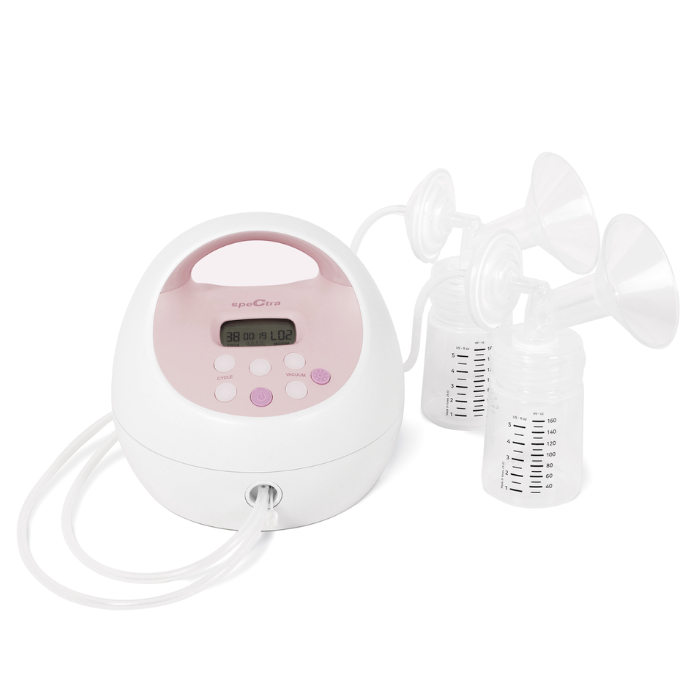
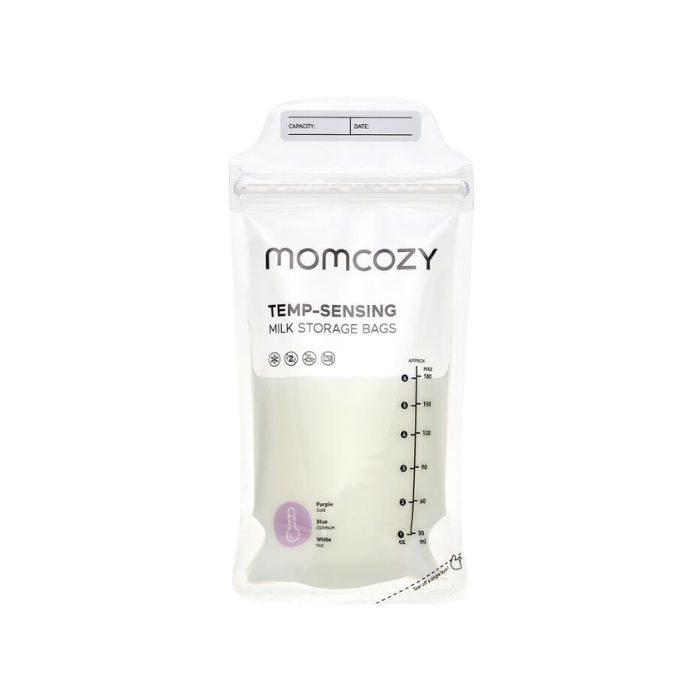
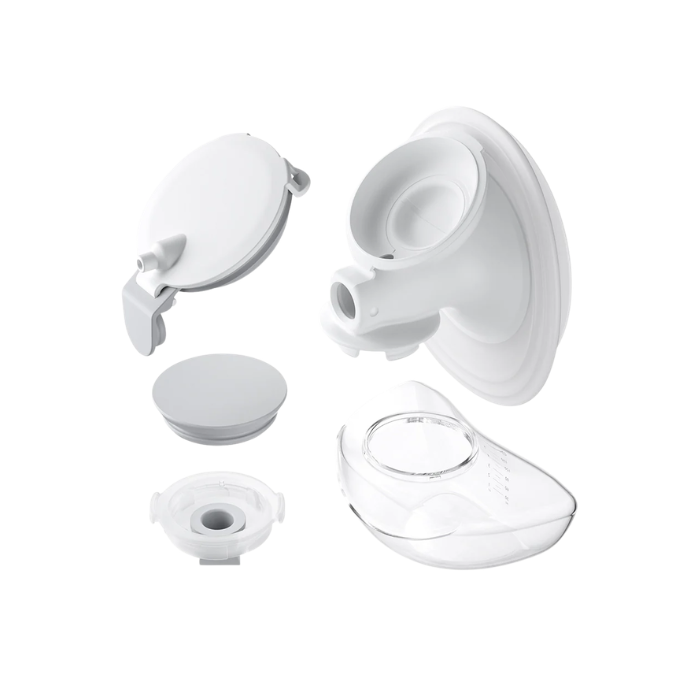
Geriatric Medical supplies breast pumps and maternity products in wholesale volumes to DME/HME providers and other healthcare suppliers that serve new and expecting mothers. Our catalog includes electric and manual breast pumps, milk storage bags and bottles, breast care products, and replacement pump parts and adapters, so your team can source pumps and the ongoing supplies your customers need from one distributor.
Whether you're building out a breast pump program or restocking replacement parts and accessories, our team can help you match pump types and supplies to your customer base and order volume.
Breast Pump and Maternity Supply Questions from Providers
What maternity and breast pump supplies does Geriatric Medical carry?
We carry electric breast pumps, manual breast pumps, milk storage bags and bottles, breast care products, and replacement pump parts and adapters. Products are available in case quantities for providers supplying mothers directly.
What's the difference between electric and manual breast pumps?
Electric breast pumps use a motor to create suction and are typically used by mothers who pump regularly, such as those returning to work or exclusively pumping. Double electric pumps express milk from both breasts at the same time, which saves time for frequent pumping. Manual breast pumps are operated by hand, are quiet, portable, and don't need power, which makes them a good fit for occasional pumping or as a backup to an electric pump. Many providers offer both so mothers can choose based on how often they plan to pump.
What's the difference between an open system and a closed system breast pump?
A closed system breast pump has a barrier between the milk collection kit and the pump motor that prevents milk and moisture from backing up into the tubing and motor. An open system pump doesn't have that barrier, so milk or condensation can reach the tubing and motor over time. Closed system pumps are generally easier to keep clean, and many mothers and providers prefer them for that reason.
Can a personal-use breast pump be shared or reused by another mother?
No. The FDA advises that personal-use breast pumps are intended for a single user and should not be shared, because milk particles can get into parts of the pump that can't be fully cleaned. Multi-user pumps, often rented through hospitals or suppliers, are designed for more than one user, and each mother uses her own personal collection kit with them.
How often do breast pump parts need to be replaced?
Parts that flex or seal during pumping, such as valves and membranes, wear out with regular use and are the most common cause of reduced suction. Tubing, flanges, and bottles also need replacement if they become cracked, cloudy, or moldy, or if moisture gets trapped inside the tubing. Replacement frequency depends on how often the mother pumps and the manufacturer's guidance, so offering replacement parts alongside pumps helps mothers keep suction working properly.
Are breast pump parts interchangeable between brands?
Generally, no. Flanges, valves, membranes, tubing, and connectors are usually designed for specific pump brands and models, and parts from another brand may not fit or seal correctly. Some adapters are designed to connect bottles or collection containers across brands. When ordering replacement parts, match them to the pump brand and model the mother is using.
Why does breast pump flange size matter?
The flange, also called the breast shield, is the part that fits over the nipple, and the right size is important for comfort and effective milk removal. A flange that's too small can cause friction and pain, while one that's too large can pull in too much tissue and reduce pumping efficiency. Many pumps come with a standard size, so stocking additional flange sizes helps mothers find the right fit.
What's the difference between breast milk storage bags and bottles?
Breast milk storage bags are pre-sterilized, single-use, and lie flat for compact freezing, which makes them a good fit for building a frozen milk supply. Storage bottles are reusable, easy to pour from, and often connect directly to a breast pump for collection and short-term refrigerator storage. Both should be made for breast milk storage and labeled BPA-free. Many mothers use bottles for daily pumping and bags for long-term freezer storage.
What breast care products do breastfeeding mothers commonly need?
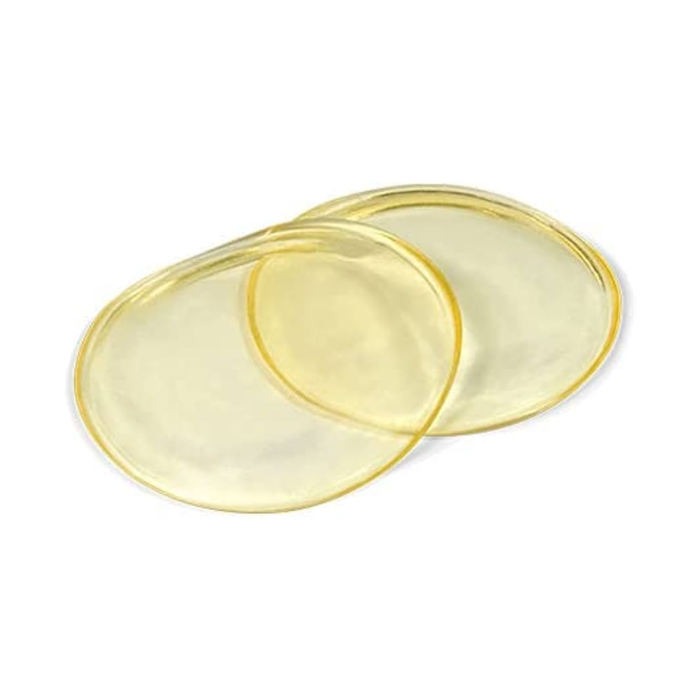
Common breast care products include nursing pads to absorb leaks, nipple creams and balms to soothe dry or sore nipples, hydrogel pads for cooling relief, and breast shells to protect sore nipples. Stocking these alongside breast pumps helps providers offer mothers the comfort items they typically need in the first weeks of breastfeeding and pumping.
Can we order breast pumps and maternity supplies through EDI or a punchout catalog?
Yes. Geriatric Medical supports EDI ordering and punchout catalog integration for accounts that manage purchasing through their own procurement, EHR, or ERP systems, so breast pumps and maternity supplies can be ordered the same way as the rest of your catalog without manual re-entry.